Shri Stock Tips Smart Insights for Smarter Investors

Shri Stock Tips

Smart Insights for Smarter Investors

Latest Articles

Small Stake, Sound Strategy: How to Deploy Your First $1,000 in the Market Without Regret
Beginner Investing

Small Stake, Sound Strategy: How to Deploy Your First $1,000 in the Market Without Regret

A cautious first investment beats an ambitious one that gets abandoned. This guide walks US newcomers through brokerage selection, fractional shares, and the ETF-first approach — while flagging the mistakes that cost beginners most in year one.


Seven Stocks, One Portfolio: The Hidden Concentration Risk Lurking Inside Popular Index Funds
Investment Strategy

Seven Stocks, One Portfolio: The Hidden Concentration Risk Lurking Inside Popular Index Funds

Owning 500 companies sounds like diversification, but the math tells a different story. We break down how the S&P 500's top-heavy structure quietly ties your portfolio to a handful of mega-cap names — and how to fix it without a costly tax surprise.

Tax Deferral or Tax Freedom? A Practical Framework for the Roth-vs-Traditional Decision in 2025
Investment Strategy

Tax Deferral or Tax Freedom? A Practical Framework for the Roth-vs-Traditional Decision in 2025

With key provisions of the 2017 tax law scheduled to expire and brackets in flux, the Roth-versus-traditional question has taken on new urgency. This guide walks through three saver profiles and a repeatable framework for choosing the right account — without relying on one-size-fits-all advice.

Six Figures You'll Never See Again: Mapping the Invisible Fee Trail Draining Your Portfolio
Investment Strategy

Six Figures You'll Never See Again: Mapping the Invisible Fee Trail Draining Your Portfolio

Most American investors can name their best-performing stock but not a single fee they paid last year. This audit walks through every layer of the cost stack — from expense ratios to order routing — and calculates what each one costs over a working lifetime.

The Case for Investing Like a Machine: How Automated Contributions Quietly Beat Three Decades of Market Timing
Beginner Investing

The Case for Investing Like a Machine: How Automated Contributions Quietly Beat Three Decades of Market Timing

Decades of US market data suggest that a plain, automated monthly contribution plan has outperformed even professional attempts to time entries and exits. This article examines why consistency wins, how to set up an automated plan, and what it takes emotionally to stay the course when markets fall.

Would You Buy It Today? A Zero-Based Review That Frees Your Portfolio From the Past
Investment Strategy

Would You Buy It Today? A Zero-Based Review That Frees Your Portfolio From the Past

Many American portfolios are weighed down not by bad picks, but by the refusal to let go of them. This piece introduces a disciplined zero-based review — judging every holding as if you were buying it fresh today — and explains why detaching ego from the process is the hardest and most valuable step.

Retiring on Borrowed Assumptions: Why the 4% Withdrawal Rule No Longer Fits 2025
Investment Strategy

Retiring on Borrowed Assumptions: Why the 4% Withdrawal Rule No Longer Fits 2025

The 4% rule was built on 1920s data and a world of cheap, steady bond yields. For Americans retiring at 65 in 2025, a more flexible framework may determine whether a nest egg lasts thirty years or falls short.

The Tip You Couldn't Resist: Inside the Psychology of Acting on 'Sure Things'
Investment Strategy

The Tip You Couldn't Resist: Inside the Psychology of Acting on 'Sure Things'

Every investor has heard one: the stock tip that promises a shortcut to wealth. This piece examines why our brains reward us for acting on hot advice, and outlines a disciplined framework — position limits, a mandatory cooling period, and a testing checklist — for separating genuine opportunity from expensive impulse.

Set It and Forget It? The Hidden Price of Never Opening Your 401(k) Statement
Investment Strategy

Set It and Forget It? The Hidden Price of Never Opening Your 401(k) Statement

Millions of American workers treat their 401(k) as a box checked during onboarding, then never revisit it. A closer look reveals that fees, allocation drift, and an unoptimized employer match can quietly cost six figures over a career. Here is a practical framework for auditing your plan and turning a passive perk into a deliberate wealth-building tool.

Ten Days That Change Everything: The Real Cost of Sitting Out the Market
Beginner Investing

Ten Days That Change Everything: The Real Cost of Sitting Out the Market

The instinct to wait for a 'better moment' to invest feels prudent, but the data tells a different story. This analysis quantifies what investors forfeit by sitting in cash — and how a simple, disciplined framework removes the temptation to time the market.

Beating Expectations, Losing Money: What Retail Investors Miss About Earnings Season
Investment Strategy

Beating Expectations, Losing Money: What Retail Investors Miss About Earnings Season

A company reports better-than-expected earnings, and its stock promptly falls ten percent. For retail investors, this scenario feels like a betrayal—but it is actually a well-documented pattern with identifiable causes. Understanding how earnings beats are constructed, and why forward guidance carries far more weight than headline numbers, can help you avoid one of the most costly traps in active investing.

The Bond Market Knows Something Your Stock Portfolio Doesn't
Beginner Investing

The Bond Market Knows Something Your Stock Portfolio Doesn't

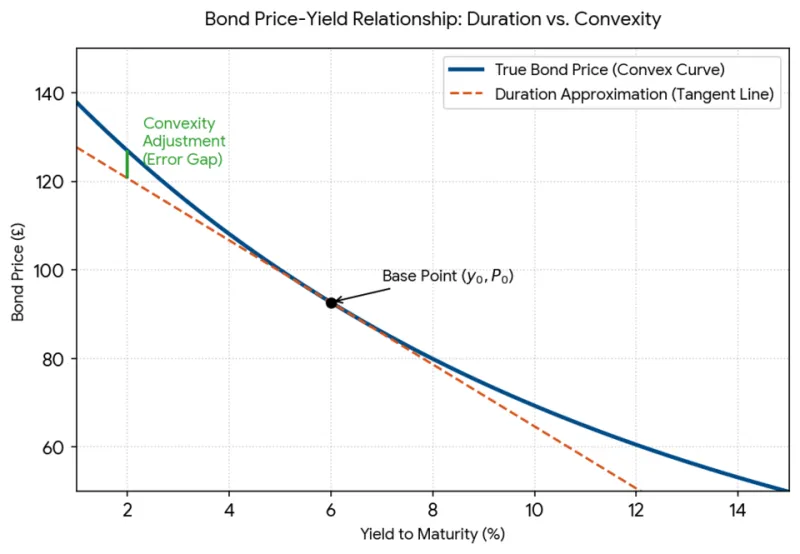
Most retail investors spend their time watching equities while the bond market quietly telegraphs where stocks are heading next. Learning to read yield curve shifts, credit spreads, and duration movements can give everyday investors an early warning system that professionals have relied upon for decades—and help you reposition your portfolio before the equity market catches up.

Closing the Information Gap: How Retail Investors Can Access the Signals That Move Markets Before They Move
Investment Strategy

Closing the Information Gap: How Retail Investors Can Access the Signals That Move Markets Before They Move

Institutional investors and hedge funds have long enjoyed structural advantages in accessing market-moving information before the average retail investor even opens their brokerage app. Understanding how that information flows—and where legitimate access points exist—can meaningfully shift the odds in your favor. This guide breaks down the tools and habits that help level an uneven playing field.

Arriving After the Party: Why Chasing Sector Momentum Often Means Buying Someone Else's Exit
Beginner Investing

Arriving After the Party: Why Chasing Sector Momentum Often Means Buying Someone Else's Exit

By the time a sector rotation becomes the dominant conversation in financial media, the most significant gains have often already been captured by institutional investors who positioned months earlier. Retail investors who follow the headline narrative frequently arrive at the inflection point—not the opportunity. Understanding how to distinguish early-stage rotation from late-stage crowding can protect your portfolio from one of the most common and costly mistakes in active investing.

Hidden in Plain Sight: How Small-Cap Stocks Can Navigate Market Turbulence — and How to Find the Real Ones
Beginner Investing

Hidden in Plain Sight: How Small-Cap Stocks Can Navigate Market Turbulence — and How to Find the Real Ones

Small-cap stocks carry a reputation for volatility that causes most retail investors to steer clear precisely when opportunity is greatest. Yet history shows that fundamentally sound small-cap companies can outperform their large-cap counterparts during specific market cycles — if you know what to look for. This guide breaks down the mechanics of small-cap outperformance and gives you a practical checklist for separating genuine growth candidates from speculative noise.

Idle Money, Invisible Loss: How Your Emergency Fund May Be Quietly Draining Your Long-Term Wealth
Investment Strategy

Idle Money, Invisible Loss: How Your Emergency Fund May Be Quietly Draining Your Long-Term Wealth

Most Americans treat their emergency fund as a financial virtue, but the math tells a more complicated story. Keeping years of expenses in low-yield savings accounts generates a hidden cost that, compounded over decades, can quietly erase six figures of potential wealth. This article presents a tiered framework for restructuring emergency savings so that security and growth are no longer mutually exclusive.

When Winners Become Liabilities: The Hidden Danger of Building Your Portfolio Around Mega-Cap Tech
Beginner Investing

When Winners Become Liabilities: The Hidden Danger of Building Your Portfolio Around Mega-Cap Tech

Owning the market's top-performing companies feels like a winning strategy—until it doesn't. For millions of US retail investors, heavy exposure to a small cluster of dominant technology stocks has created concentration risk that could prove costly when sentiment shifts. This article examines what concentration risk really looks like, how to measure it in your own holdings, and how to stay invested in quality growth without leaving yourself dangerously exposed.

Turning Red into Green: How Tax-Loss Harvesting Can Make Your Worst Trades Work for You
Investment Strategy

Turning Red into Green: How Tax-Loss Harvesting Can Make Your Worst Trades Work for You

When markets turn against you, disciplined investors know how to extract value from losing positions through tax-loss harvesting. This guide walks US retail investors through the mechanics, timing strategies, and critical pitfalls of one of the most underutilized tools in personal finance. Executed correctly, it can meaningfully reduce your annual tax bill without sacrificing your long-term investment thesis.

Reading the Economic Clock: A Practical Guide to Sector Rotation for US Investors
Beginner Investing

Reading the Economic Clock: A Practical Guide to Sector Rotation for US Investors

Markets do not move in a straight line, and neither do the sectors that lead them. By learning to read the economic cycle and understanding which industry groups tend to outperform at each stage, everyday investors can position their portfolios more strategically — without resorting to market timing. Here is how sector rotation works and how to apply it intelligently.

Calm Before the Gains: How Behavioral Finance Reveals the True Cost of Panic Selling
Investment Strategy

Calm Before the Gains: How Behavioral Finance Reveals the True Cost of Panic Selling

When markets turn volatile, most retail investors reach for the exit — and that instinct costs them dearly. Understanding the psychological traps embedded in our decision-making can mean the difference between building lasting wealth and repeatedly buying high and selling low. This guide unpacks the behavioral finance principles every serious investor needs to know.