Nine Thirty and Reckless: The Opening Half Hour Where New Traders Quietly Lose the Most
The Bell Rings, and the Money Moves
At 9:30 a.m. Eastern, the New York Stock Exchange opens, and within seconds, millions of shares change hands. For a beginner watching CNBC with a coffee in hand, it feels like the moment to act. The data suggests otherwise. The opening half hour is the widest-spread, most volatile slice of the entire session — and it is precisely when a disproportionate share of retail market orders gets filled at the worst prices of the day.
This is not a claim about timing the market in the mystical sense. It is a claim about mechanics: bid-ask spreads, opening auction imbalances, and the way retail order flow is routed. Understanding those mechanics is one of the cheapest advantages a new investor can acquire.
Why the Open Is Structurally Different
Overnight, news accumulates — earnings released after the close, economic data at 8:30 a.m., headlines from overseas sessions in Europe and Asia. All of that uncertainty resolves at once when the bell rings. Market makers, unsure of true fair value, widen their quotes to protect themselves. A stock that traded with a penny spread at 2 p.m. might show a spread of ten, twenty, or fifty cents at 9:31.
If you place a market order in that environment, you are not buying at "the price." You are buying at the ask, in a market where the ask is temporarily inflated, and the bid — the price you could sell back at moments later — sits noticeably lower. That difference is an immediate, invisible loss before the trade has done anything at all.
The Volatility Whipsaw
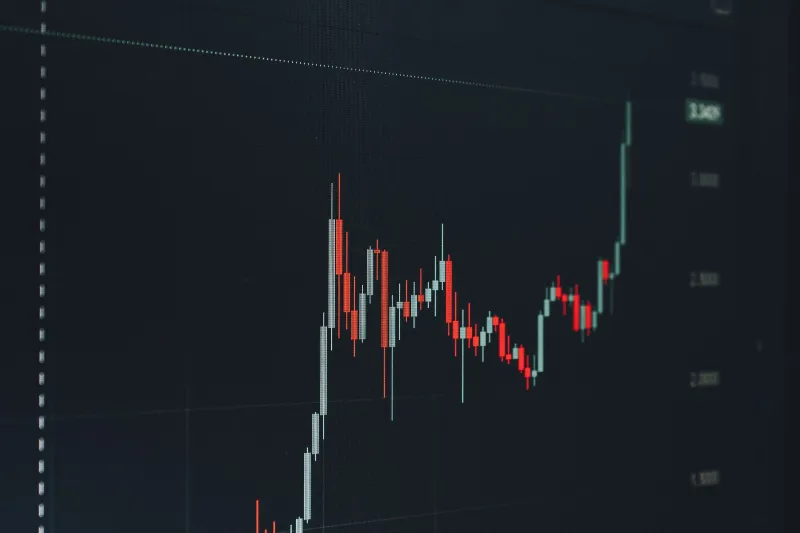
Academic and exchange data consistently show that the first thirty minutes carry the highest intraday volatility and some of the largest price reversals. A common pattern: a stock gaps up on enthusiasm, gets bought aggressively by momentum chasers, peaks within the first hour, and then drifts back toward its opening levels — sometimes called the 10 a.m. reversal. Traders who bought the gap at 9:35 frequently end up underwater by 10:15 without the underlying company's story having changed one bit.
Meanwhile, professional desks use the open to work large institutional orders patiently, often taking the other side of impatient retail flow. You are not competing on information in those minutes; you are competing on speed, and you will lose.
Where Your Order Actually Goes
Most retail market orders are not sent to the exchange. Brokers sell that flow to wholesale market makers under payment-for-order-flow arrangements. At the open, when spreads are wide, the price improvement offered on a market order is often measured against that wide spread — meaning you may still be filling well inside the worst quote of the day and calling it a good deal. Add in slippage on fast-moving names, and the opening market order becomes one of the most expensive transaction types in retail finance.
Three Practical Alternatives
1. Use limit orders, always, in the morning. A limit order states the maximum you'll pay (or minimum you'll accept). It turns you from a price-taker into a price-setter. If the market doesn't come to you, you don't own it — which is a perfectly fine outcome.
2. Wait for the first candle to close. Let 9:30 to 10:00 a.m. play out. By 10:00, spreads have typically narrowed to normal levels, the opening auction imbalance has been absorbed, and the day's real directional tendency begins to emerge. For beginning traders, simply shifting your entry window an hour later removes a large share of the noise.
3. If you're investing rather than trading, stop watching the open entirely. For long-term positions in broad index funds, the difference between 9:31 and 2:00 matters far less than the decision to own the asset at all. Automate contributions and let the opening chaos belong to someone else.
What the Backtests Suggest
Studies comparing naive market-order entries at the open versus delayed entries at 10:00 a.m. show a consistent pattern for frequently traded, liquid names: the delayed entry captures better average fills, largely through narrower spreads and reduced whipsaw, though the edge shrinks for highly liquid ETFs like SPY where spreads are tight all day. The honest takeaway is not that waiting is a magic strategy — it's that the open imposes a structural cost, and beginners bear more of it than anyone else.
The Bottom Line
The opening bell is theater, and it is also a machine designed by and for participants with better tools than you have. You don't need to beat them at their own game. Set limit orders, give the market thirty minutes to find its footing, and reserve your market orders for the calm middle of the session — or better yet, for automated contributions you never have to think about at all. In trading, the first move is rarely the best one.